Summer 2025
Ocean Grove
Memories
Revisiting the North End
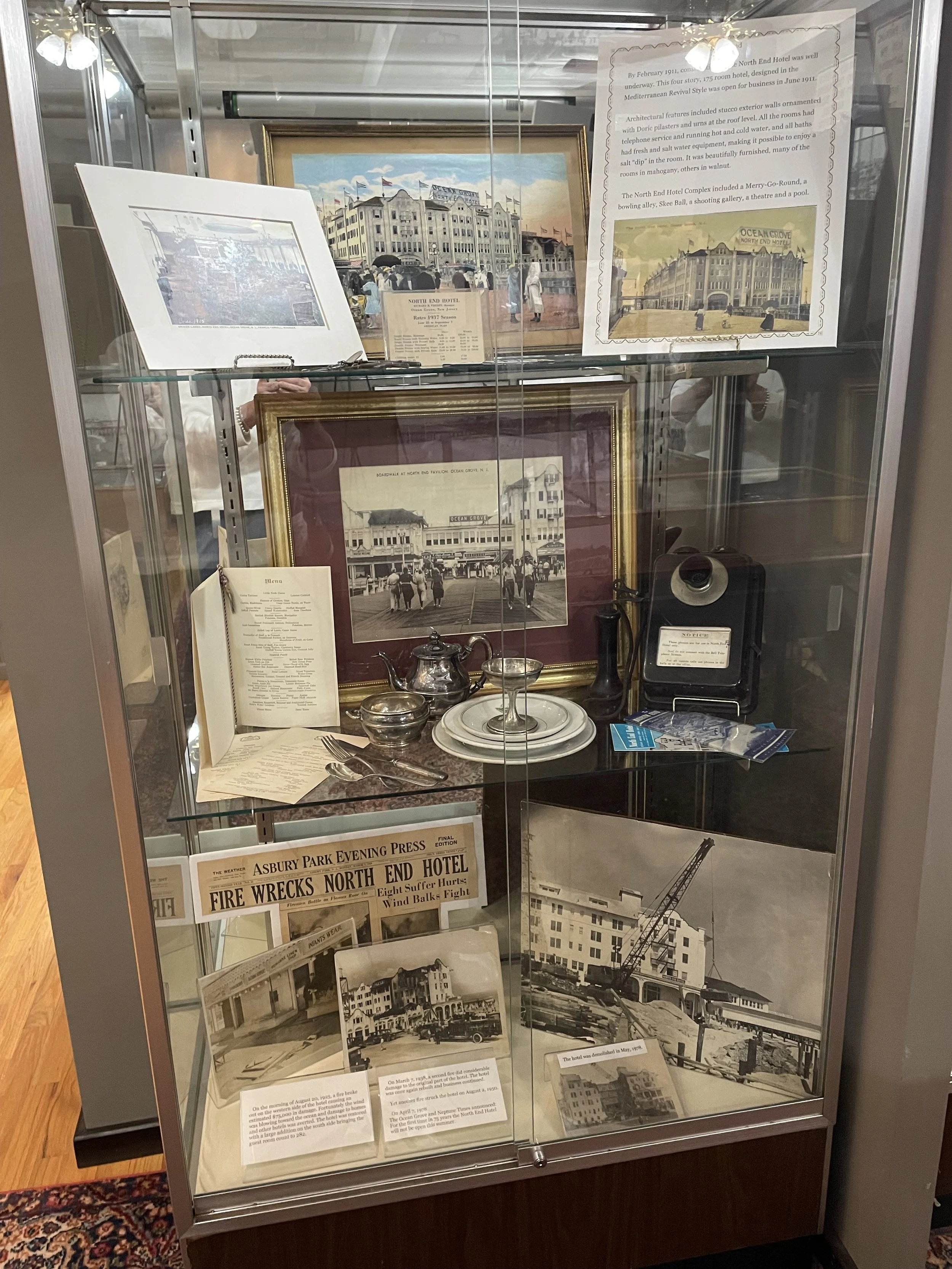

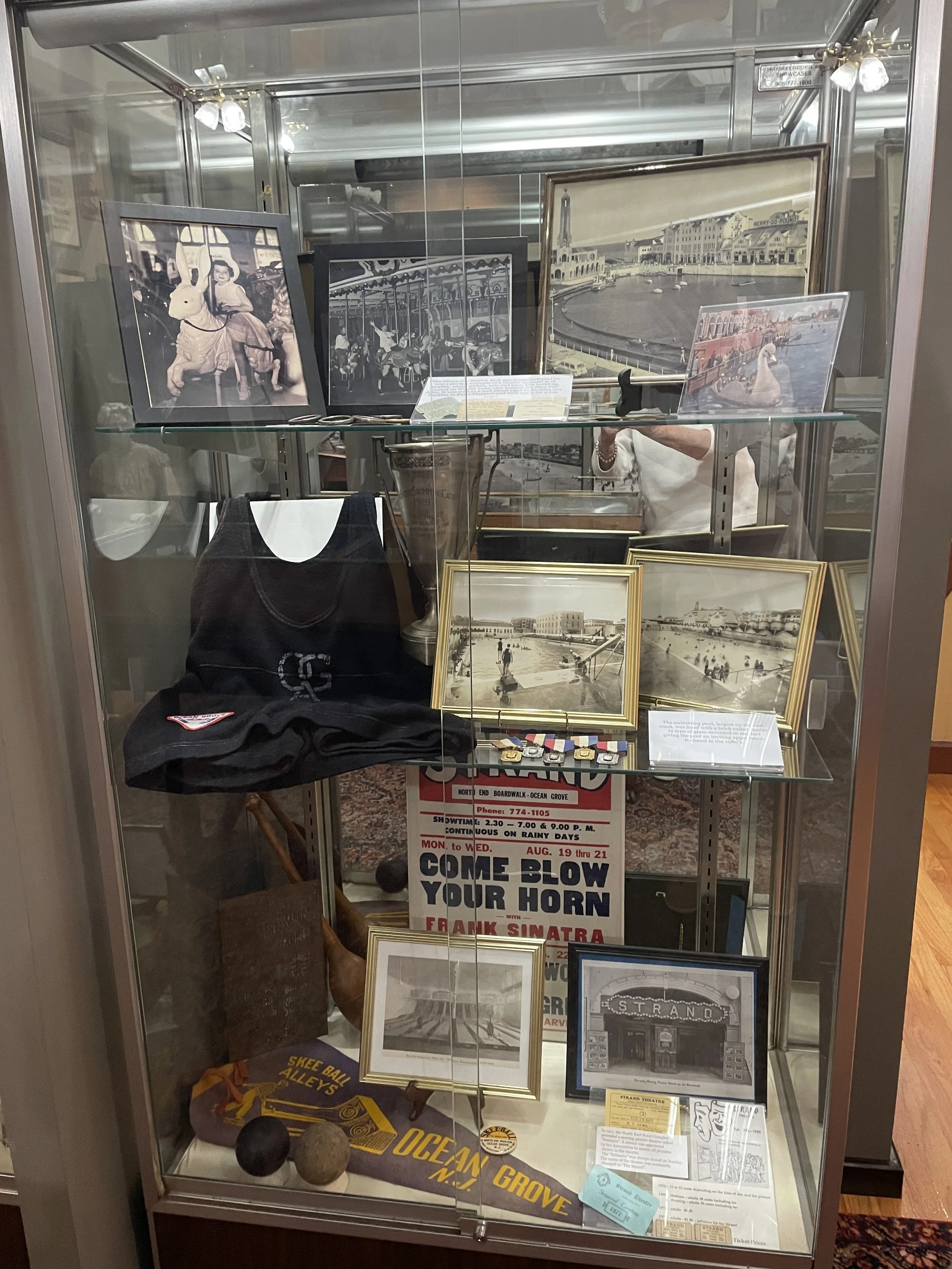

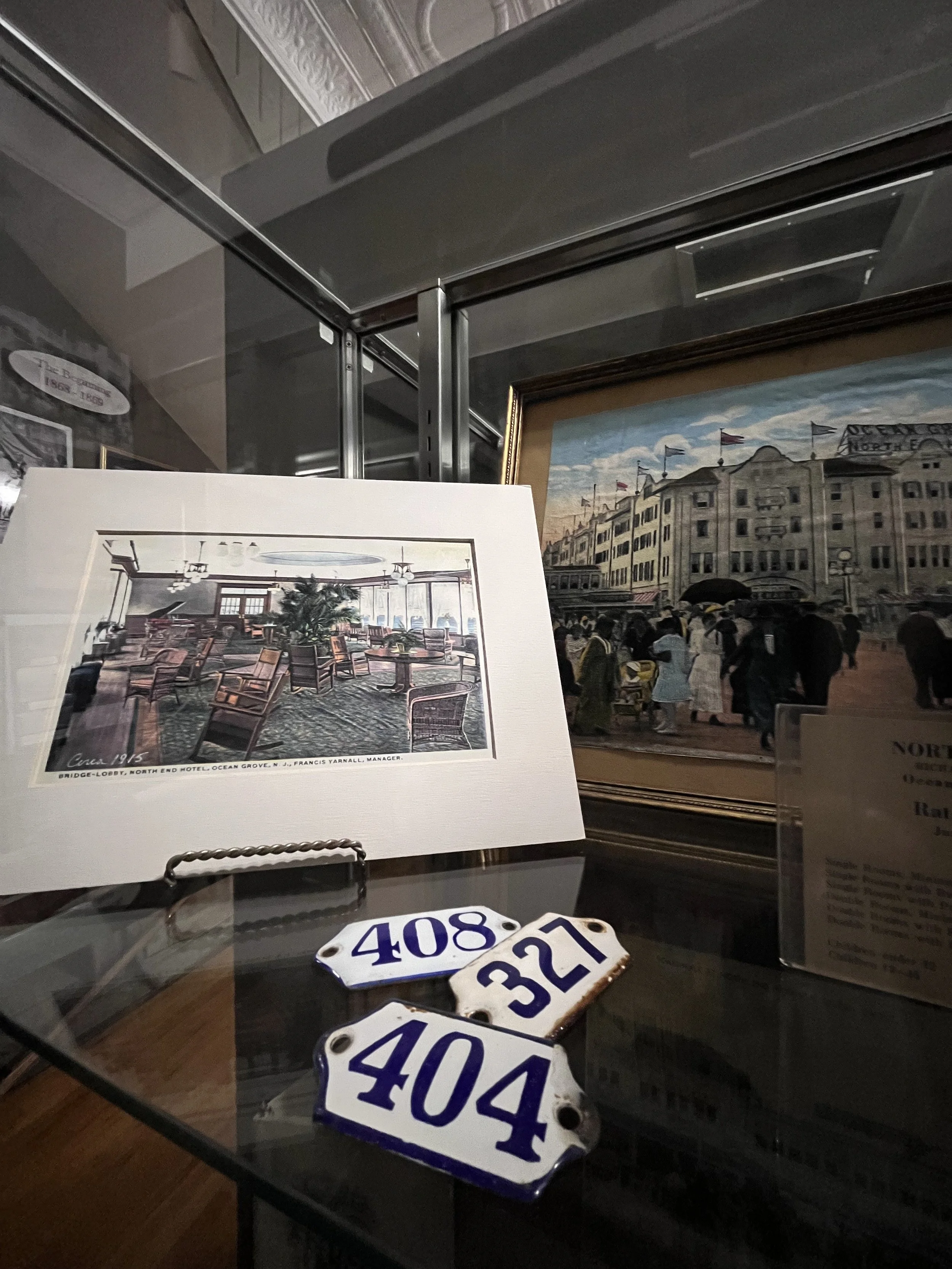
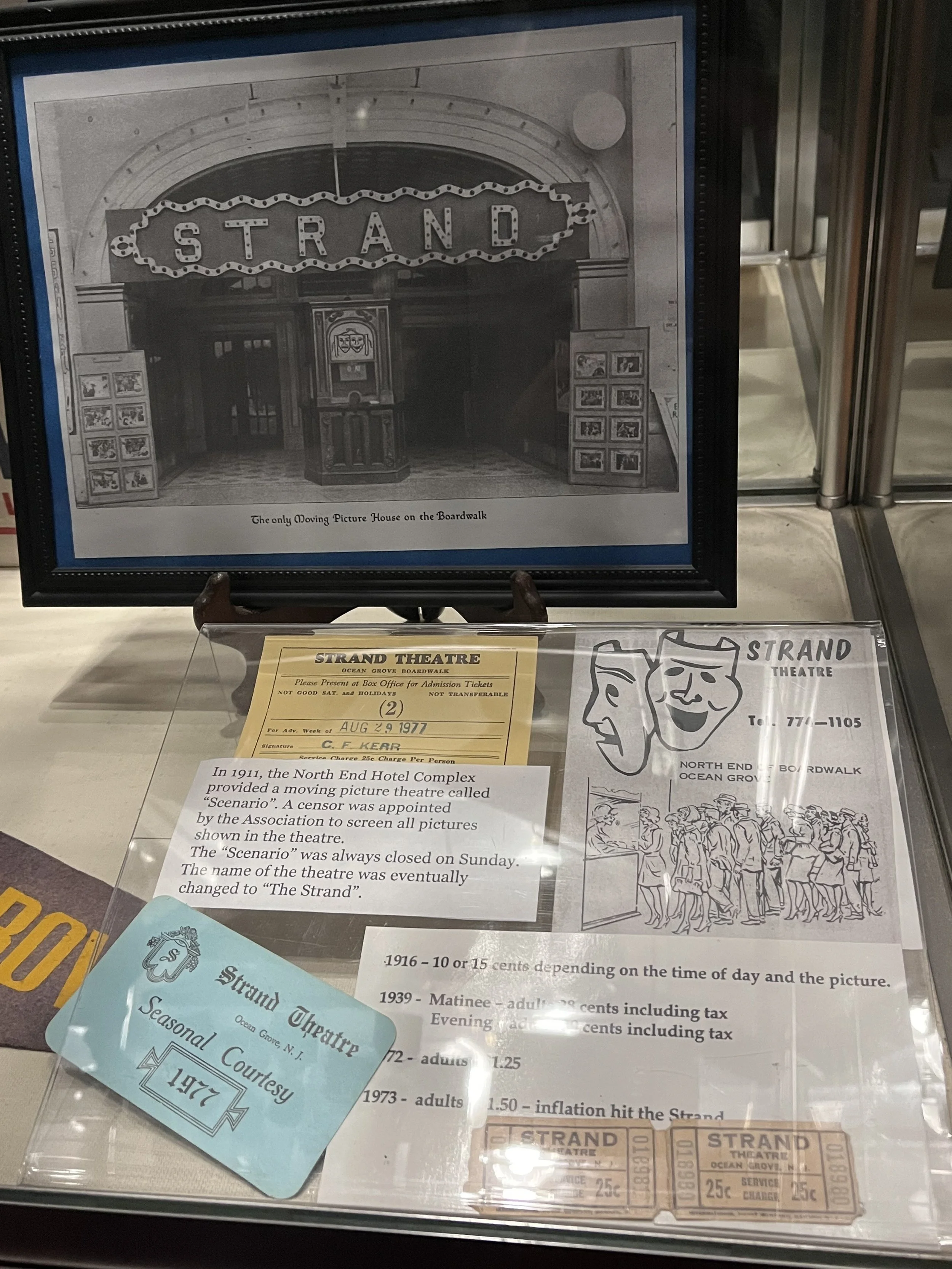
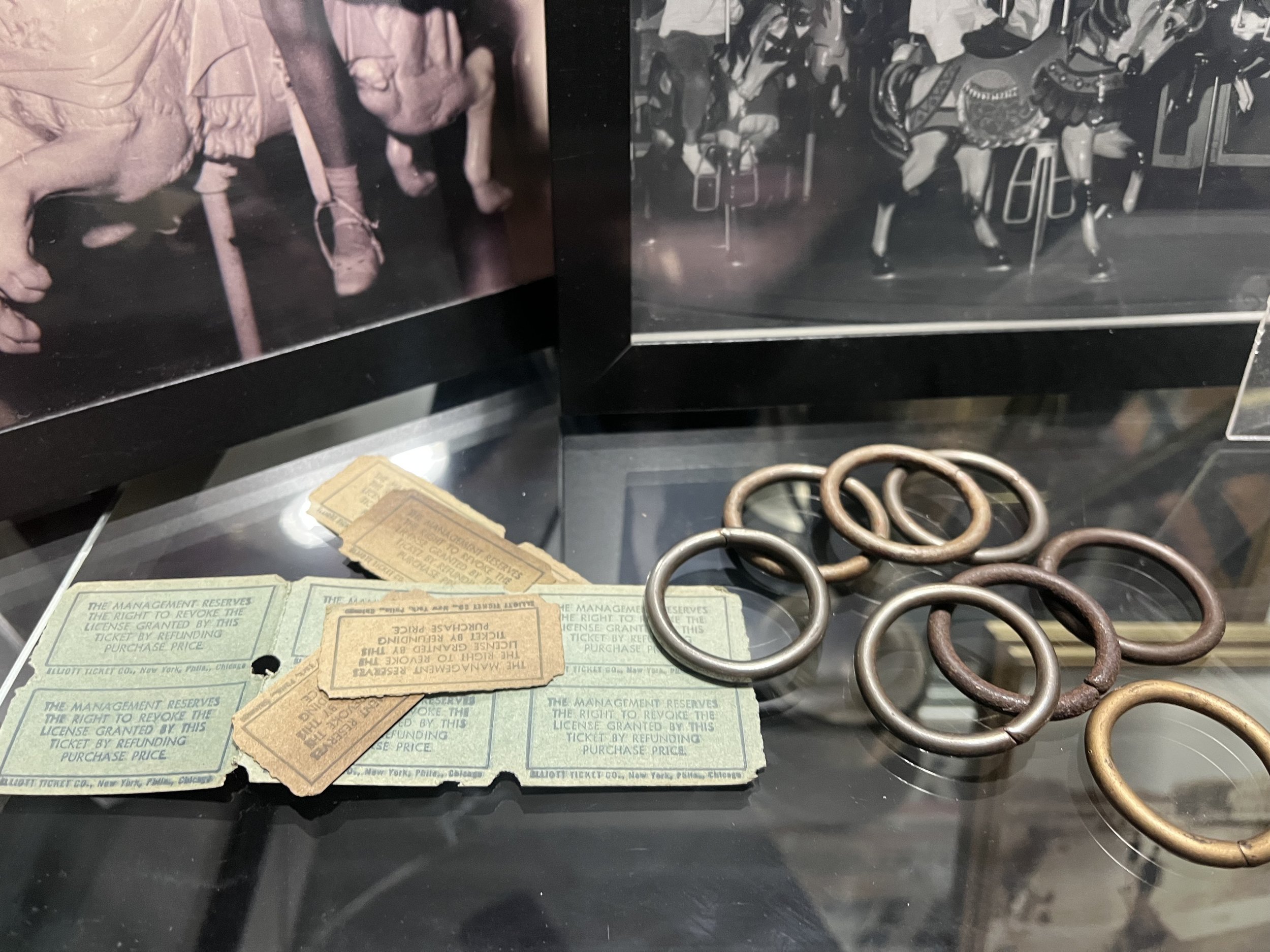
The North End in Ocean Grove holds so many fond memories for visitors and lifelong residents alike. We spent the summer reminiscing over lost landmarks, shared traditions, and the simple pleasures of boardwalk strolls and learning to swim in the pool by the sea.
Collections III in the Annex
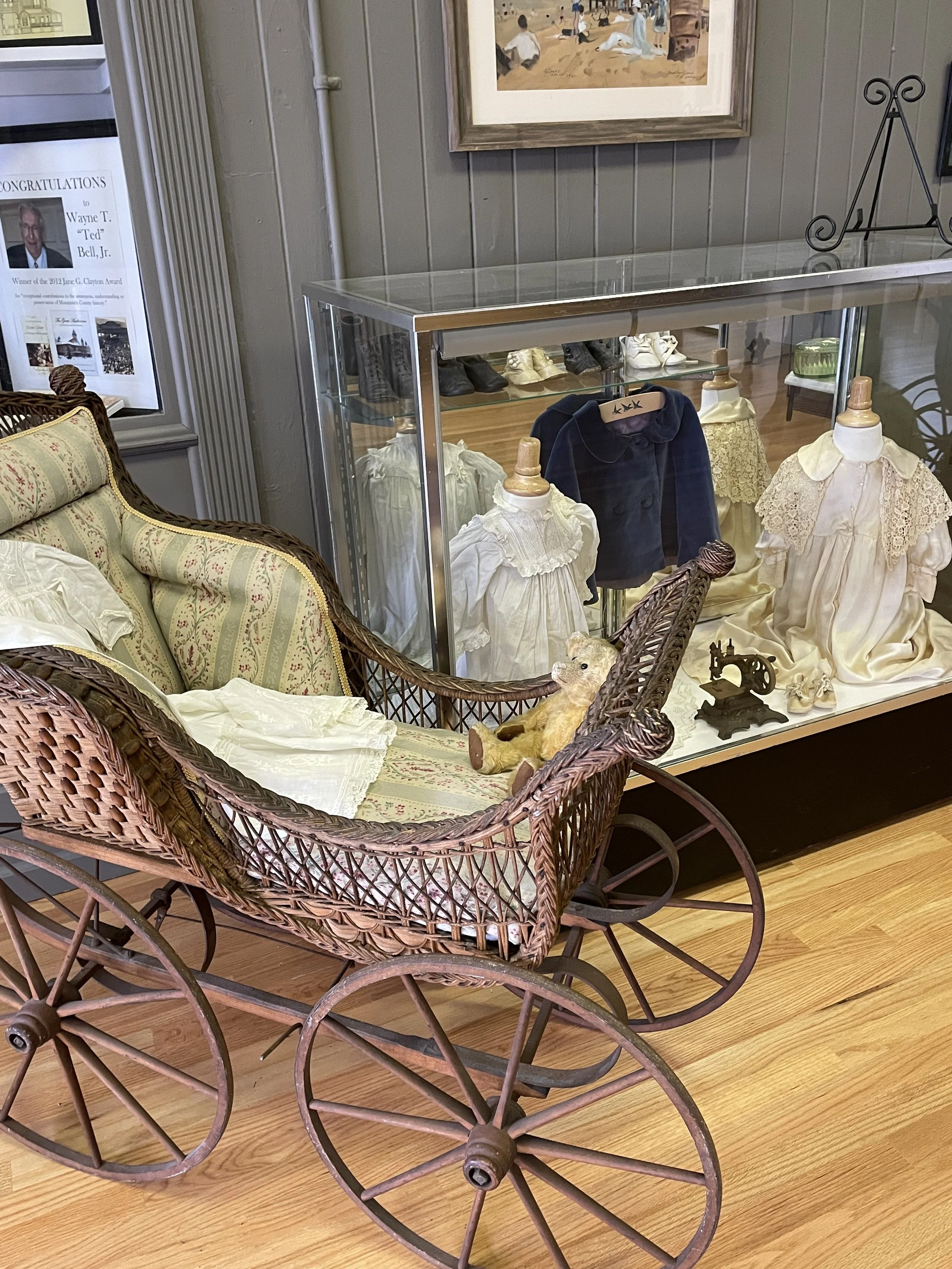
The collections on display this past summer at the HSOG Museum invited visitors of all ages to step into a world of curiosity. Each artifact tells a story—of people, places, and moments that shaped our shared history—and encouraged guests to ask questions, make connections, and discover something new. Whether it’s a familiar object seen in a new light or a surprising piece that sparks fresh imagination, the museum’s exhibits are designed to inspire joy, reflection, and a deeper appreciation for the world around us.
-
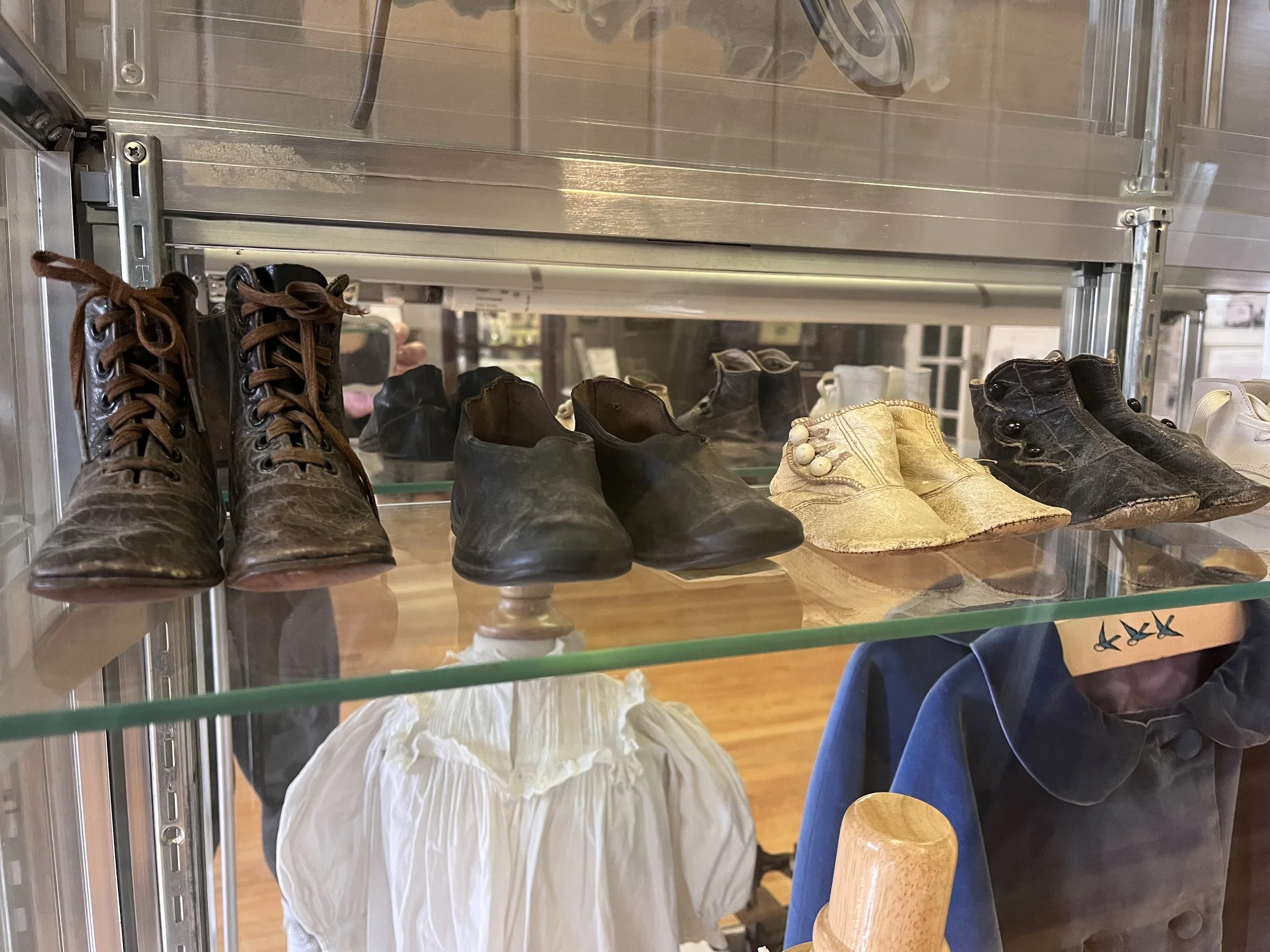
Victorian children’s shoes reflected both the era’s craftsmanship and its strict ideas about childhood. Typically made of leather or cloth, they were often ankle-high with button or lace closures to support developing feet. Styles mirrored adult fashions—boots, slippers, and later strap shoes—but were designed for durability rather than comfort. Many pairs show signs of hard wear, reminding us that Victorian children were expected to be active, disciplined, and resilient, even as their footwear emphasized propriety and neat appearance.
-
Donated by Kevin Chambers
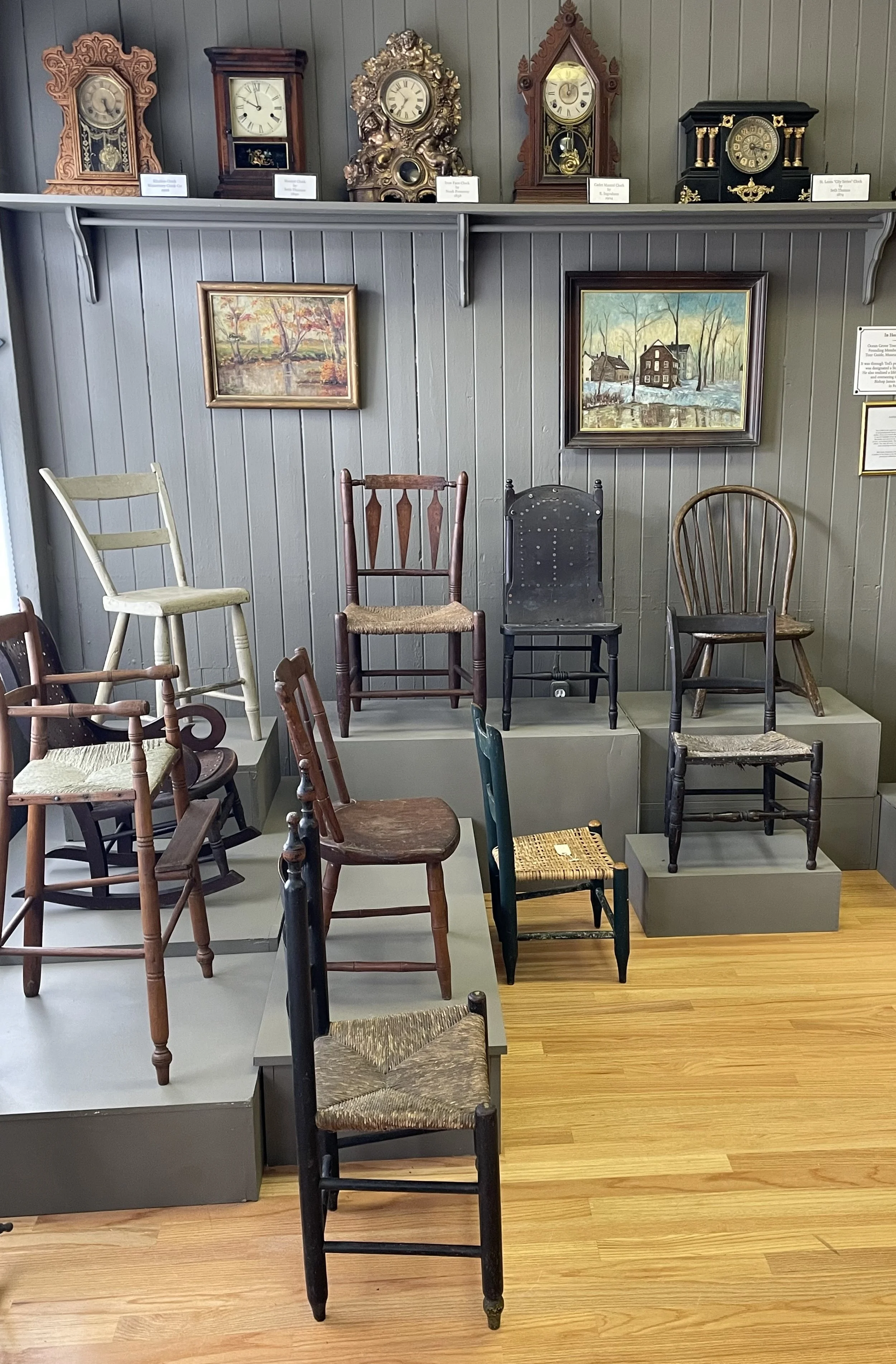
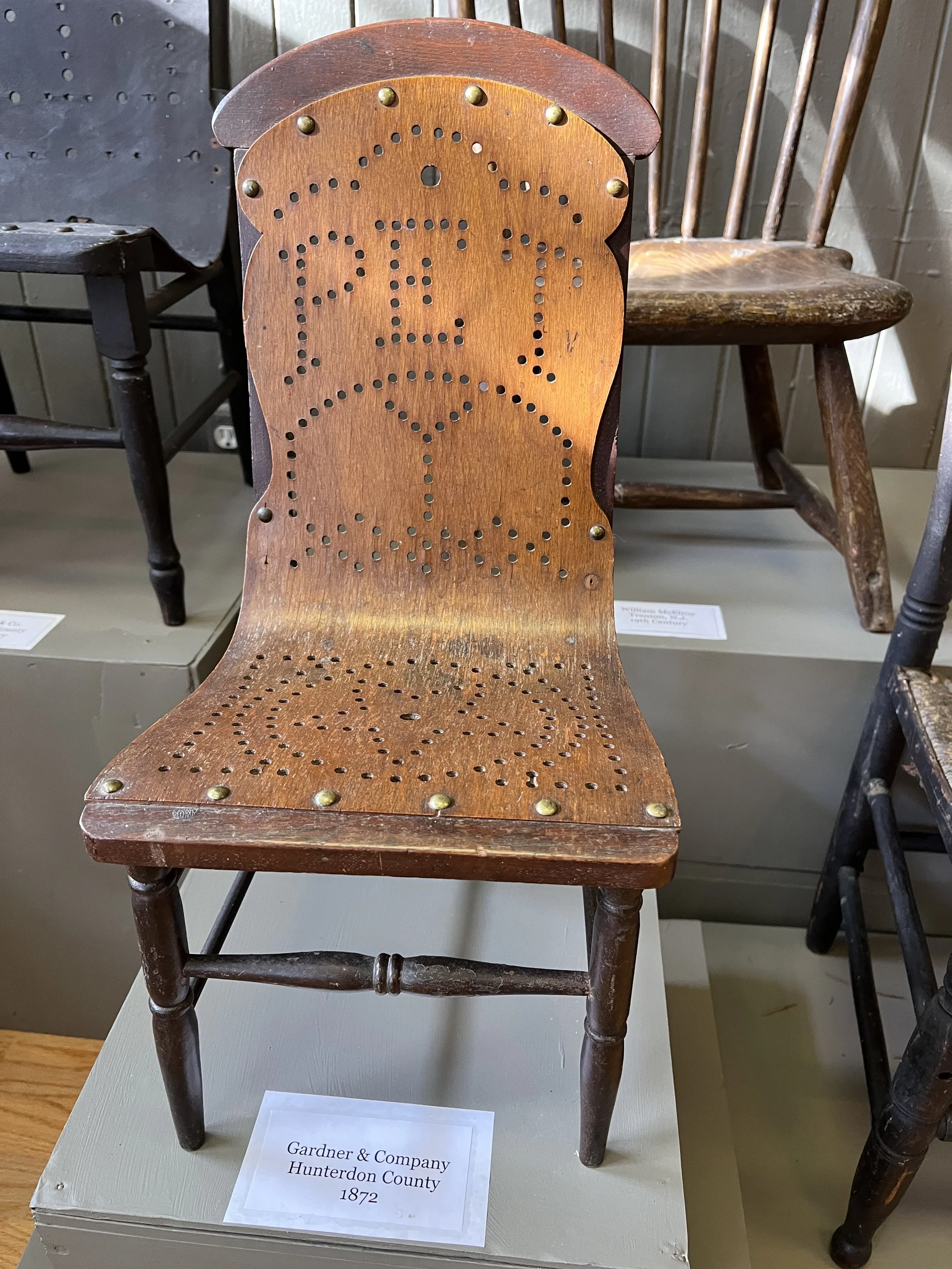
The tradition of making chairs specifically for children stretches back to the 15th century. Until the late 19th century, children’s chairs were, in effect, miniature copycat versions of adult seating, fashioned with the same forms and details but reduced in scale to suit smaller bodies.
-
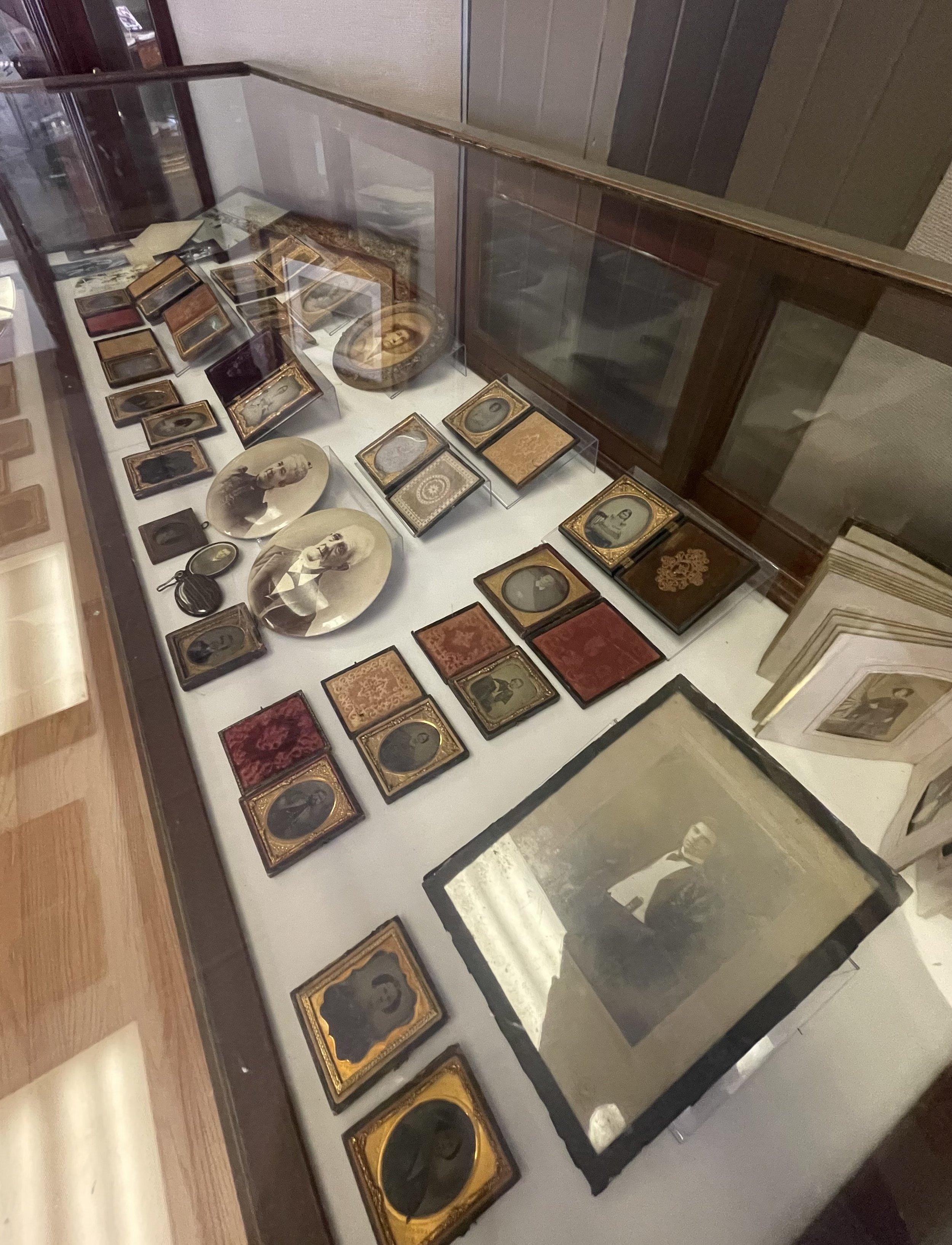
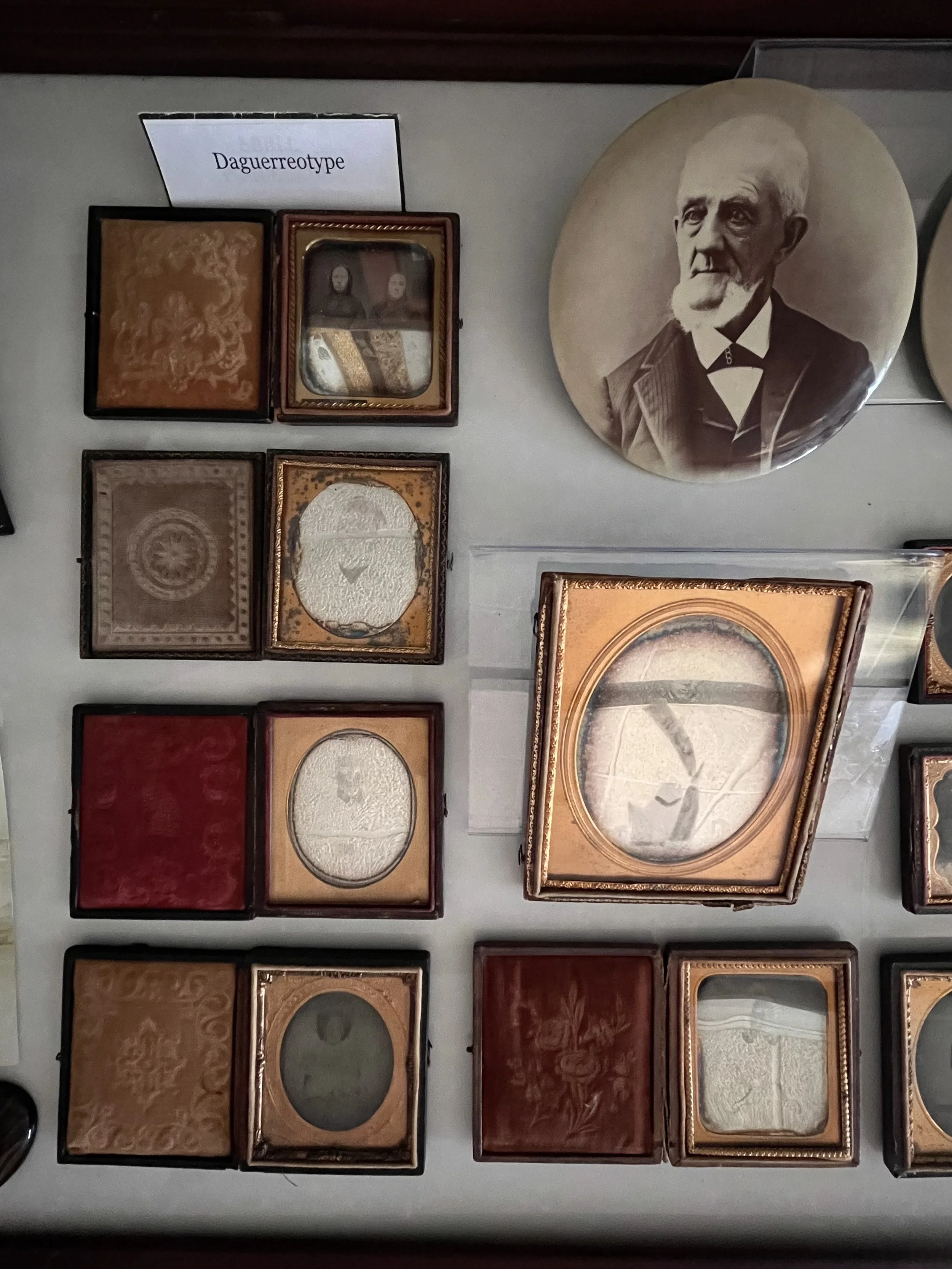
A direct positive image produced on a highly polished copper sheet plated with silver, then treated with chemicals to make it sensitive to light. Introduced in 1839 and were most popular between 1840-1850.
-
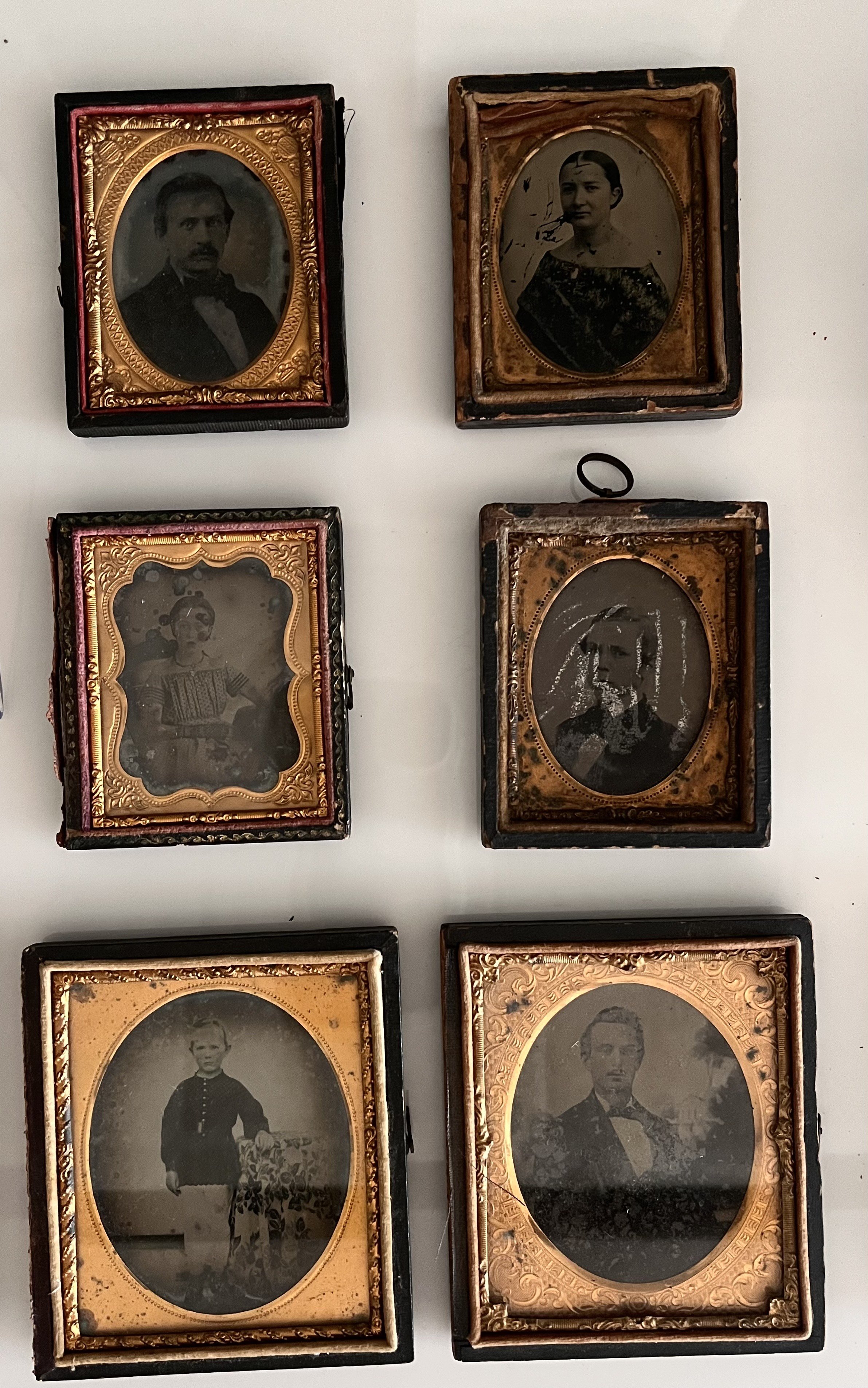
A glass negative that looks like a positive image when held against a dark background. Made with a collodion emulsion. Most common from 1850–1860.
-
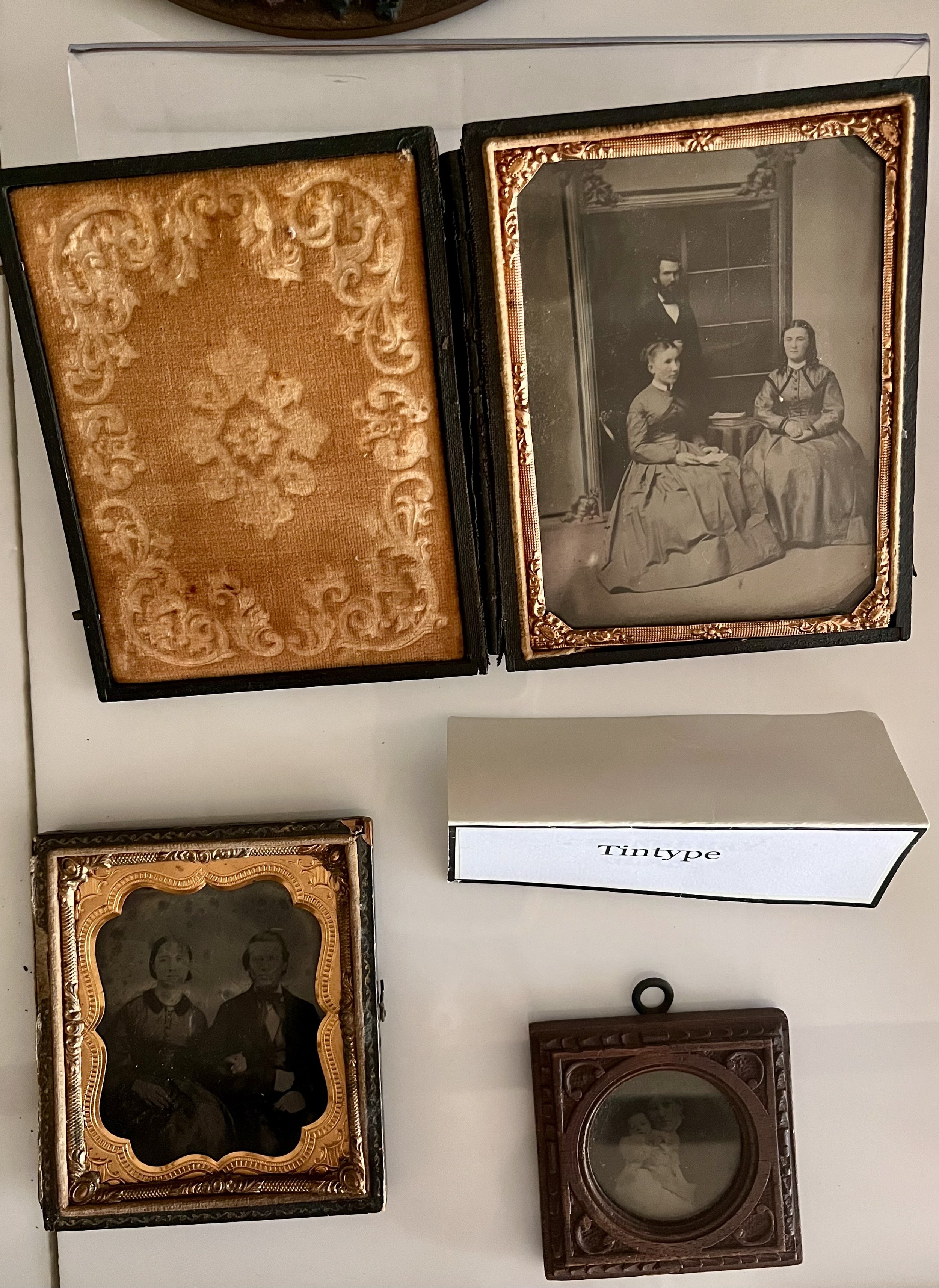
A unique image on a thin iron support coated with a black lacquer and a collodion emulsion. Most popular 1860-1870 but continued into the 20th century.
-
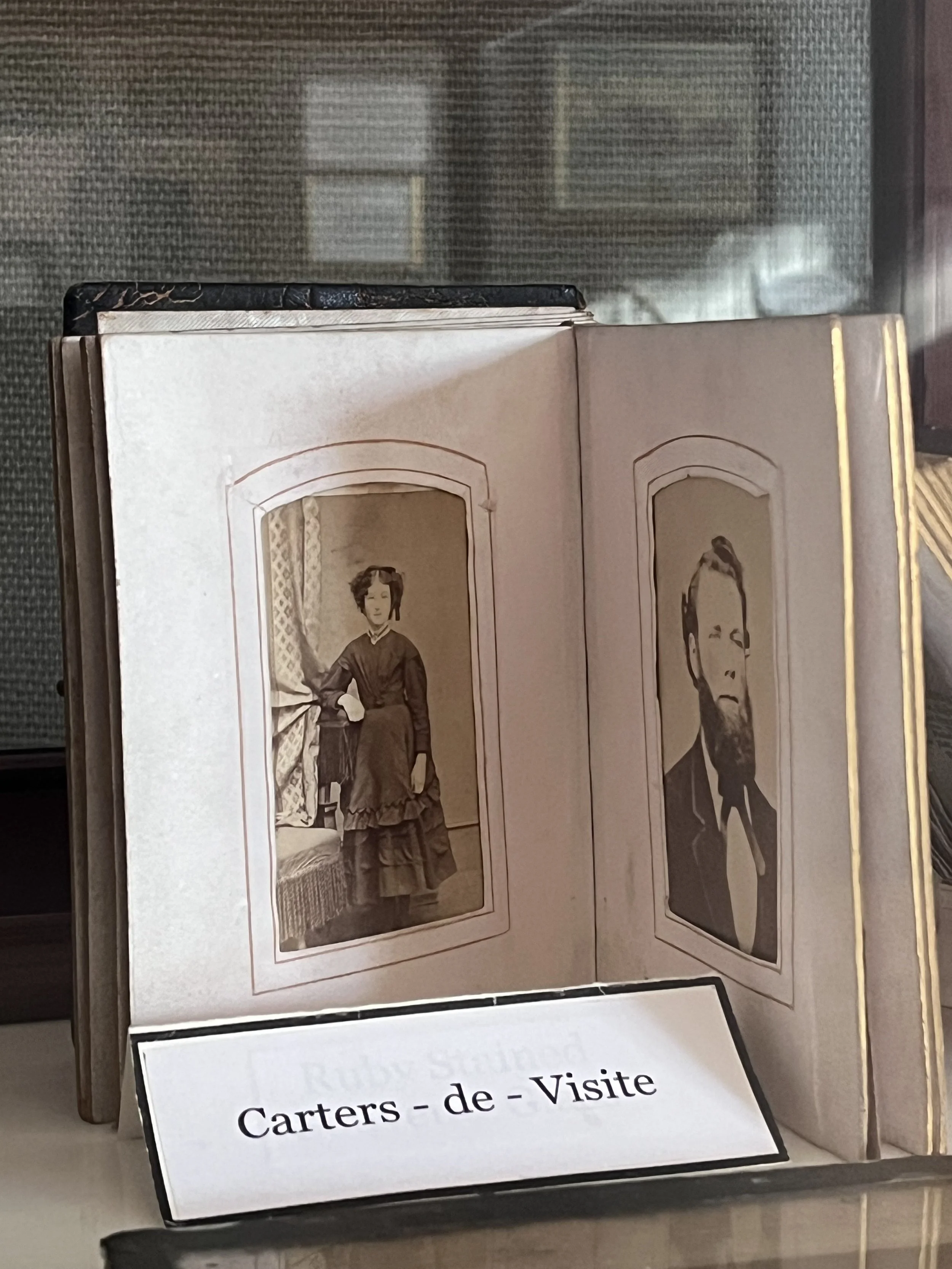
Paper prints produced from glass plate negatives mounted on stiff cardboard. These were especially popular from about 1860 through the early decades of the 20th century.
-
Donated by Anne Fox
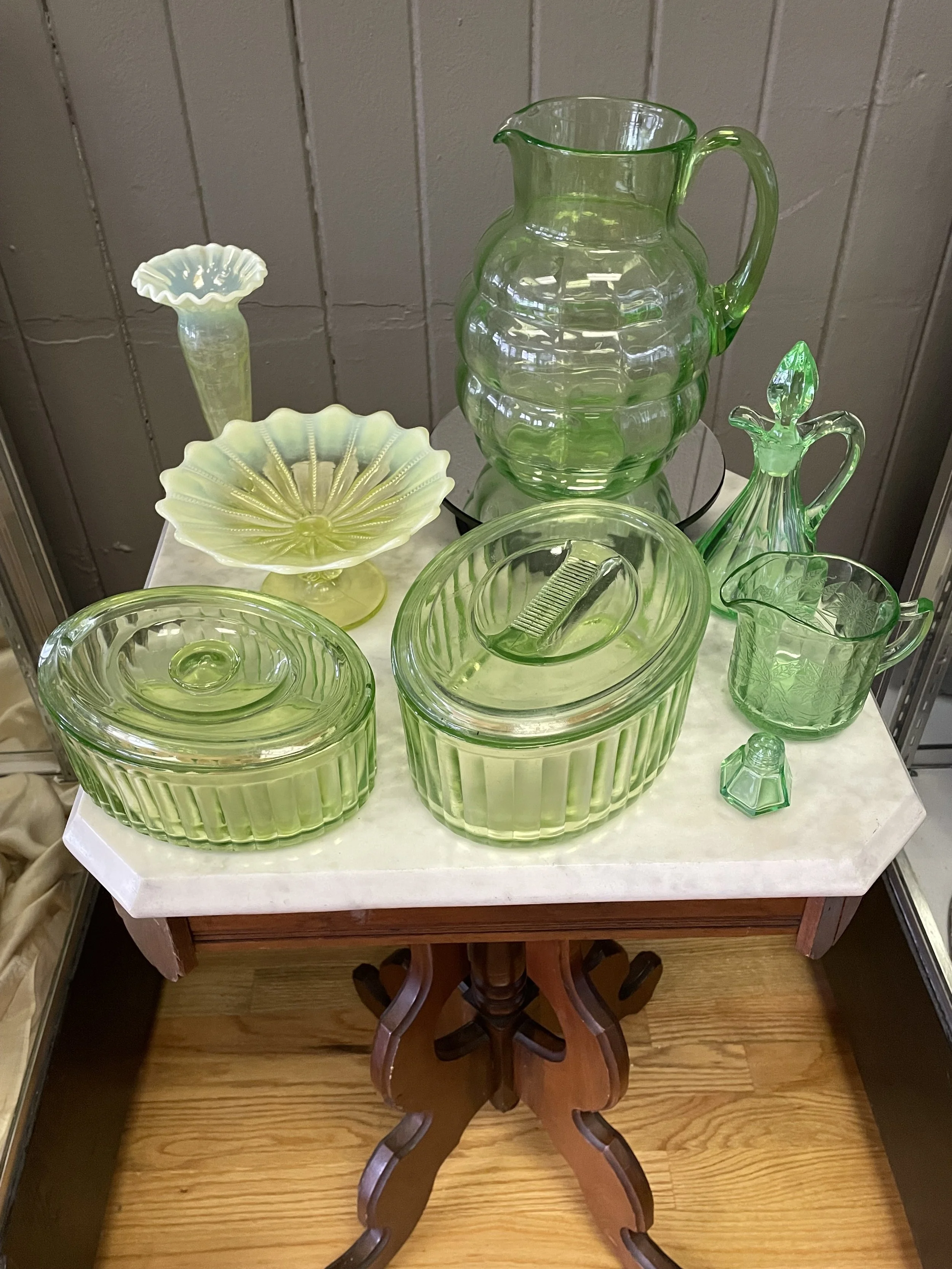
Uranium glass is glass with uranium mixed in before melting to make color. Most pieces contain a small amount, from trace levels up to about 2%, though some have been made with as much as 25% uranium. The uranium was used for its fluorescent effect, which can be seen in person with a UV light.
-
Donated by Ed Johnson
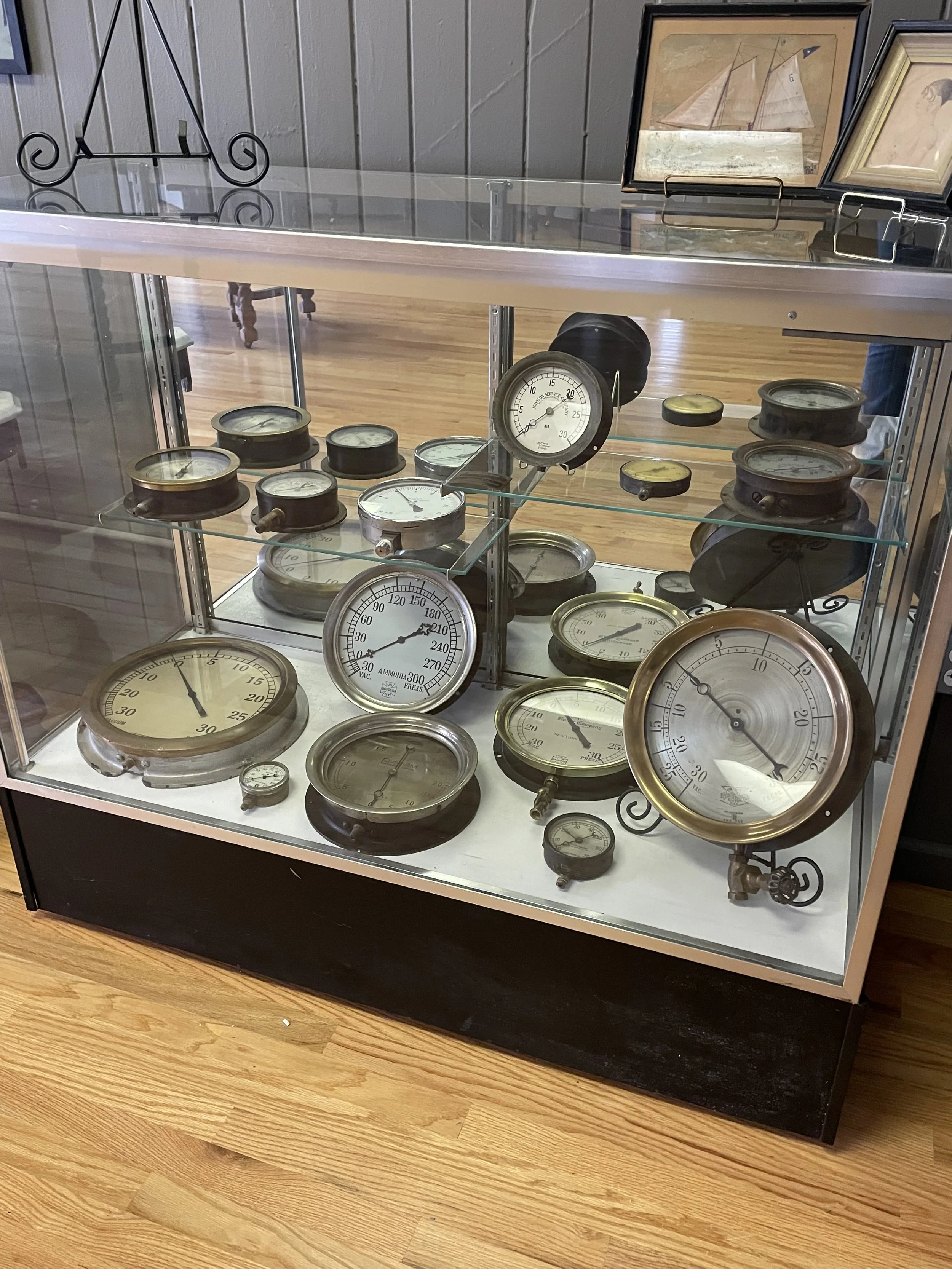
Sampling of gauges collected over years of servicing boilers and mechanical equipment around New York and New Jersey. Each gauge shows precision, reliability, and a safe way to monitor machines we rely on daily. While removing and replacing boilers, chillers, and other equipment, Johnson kept these vintage analog gauges for their history and craftsmanship.
-
![]()
Uranium Glass
-
![]()
Children's Chairs
-
![]()
Vintage Photography case
-
![]()
Boiler Guages
-
![]()
Victorian Children's Clothing
-
![]()
Victorian Children's Shoes
-
![]()
Small Children's Chair
-
![]()
Carters-de-Viste
-
![]()
Tintype
-
![]()
Ambrotype
-
![]()
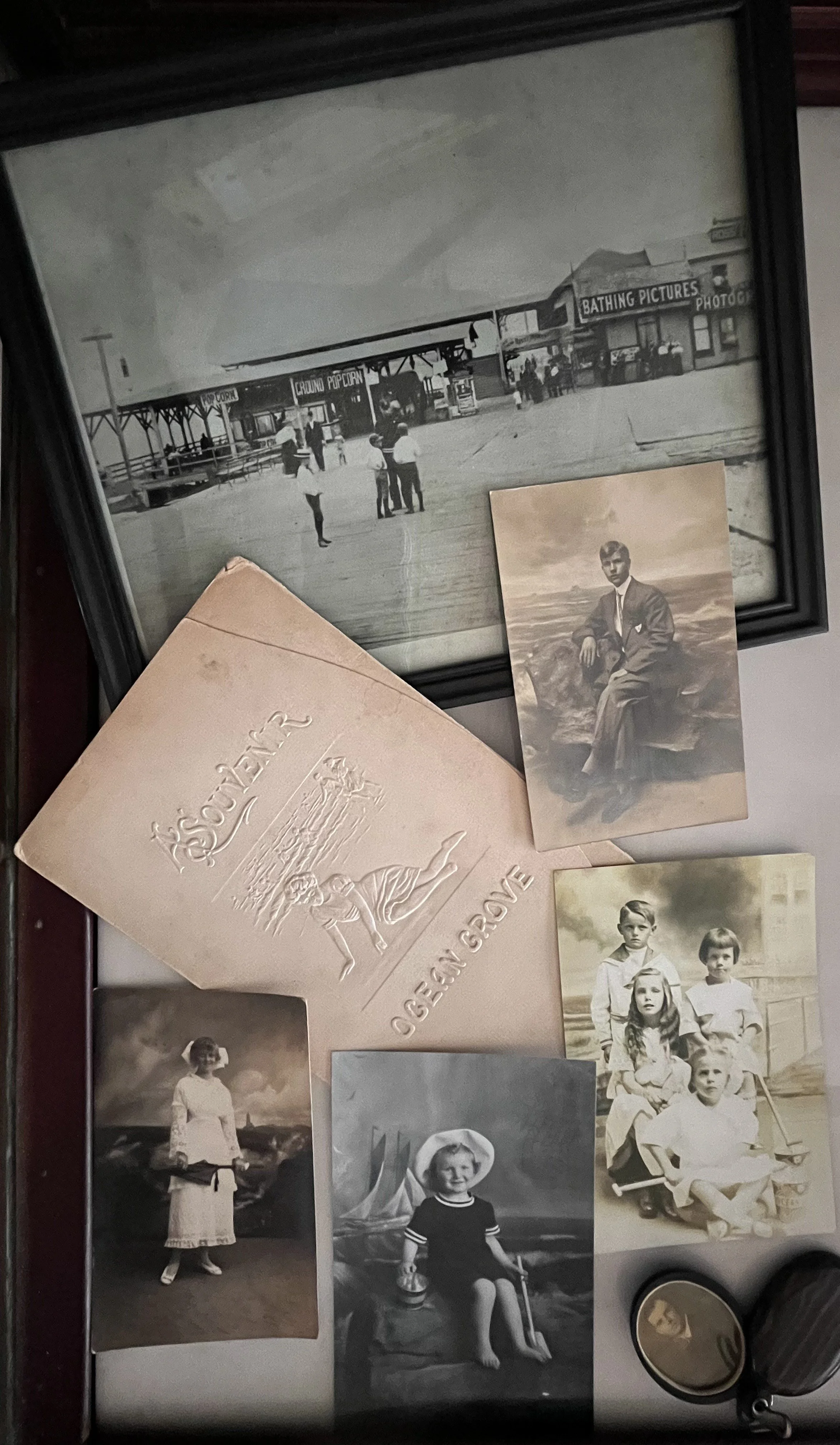
Souvenir Photography
-
![]()
Daguerreotype